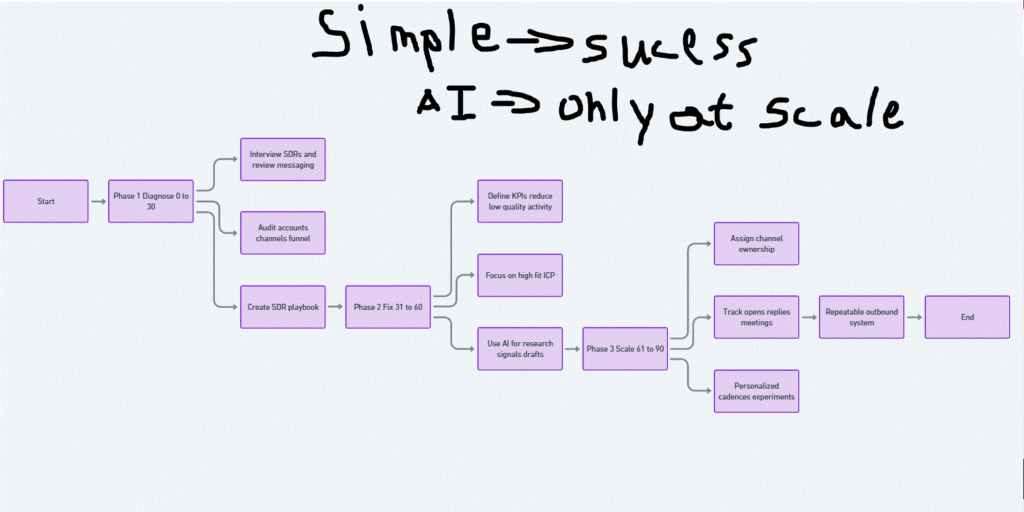
AI Outbound Framework
The AI Outbound Framework is a structured system for generating B2B pipeline using artificial intelligence, data signals, and personalized outreach. Instead of relying on manual prospecting and generic messaging, the framework combines AI research, intent signals, and automated workflows to identify the right accounts, understand their context, and deliver relevant outreach across multiple channels. The goal is to improve reply rates, increase meeting quality, and create a predictable outbound pipeline by enabling sales teams to focus on relevant prospects rather than mass outreach.
Why Traditional Outbound Fails
Traditional outbound programs often fail because targeting, messaging, and timing are disconnected from real business signals. Sales teams frequently contact companies that are not experiencing an active problem, rely on generic templates that lack personalization, and ignore valuable signals such as hiring activity, product launches, technology adoption, or funding events. As a result, outreach feels irrelevant to prospects and response rates decline. AI-driven outbound systems address these weaknesses by combining structured data, automation, and contextual messaging to reach companies at the right moment with the right message.
Core Components of an AI Outbound System
AI outbound systems operate through several coordinated components. The first step is defining a clear Ideal Customer Profile based on company size, industry, technology stack, revenue range, and operational maturity. AI tools then detect signals such as hiring activity, product launches, funding announcements, or organizational growth that indicate potential demand. Research agents collect contextual information about each company, including positioning, recent announcements, technology usage, and competitive environment, allowing outreach to be grounded in real context instead of generic messaging.
Example AI Outbound Workflow
A typical AI outbound workflow begins by identifying ICP accounts using data platforms and detecting intent signals that suggest a company may be entering a relevant buying moment. AI agents then gather contextual information about each account and generate personalized outreach messages referencing company initiatives, technology changes, or operational challenges. These messages are delivered through multichannel sequences such as email, LinkedIn, and cold calls, while performance metrics like reply rate, meeting rate, and pipeline generated are tracked to continuously optimize the outbound system.